
Digital Currencies: Myths and Reality
Dates
November 6, 2026
9:00 am - 12:00 pm ET
Length of Course
3 hours
Delivery Method
Online
Cost
$425 CAD
Summary
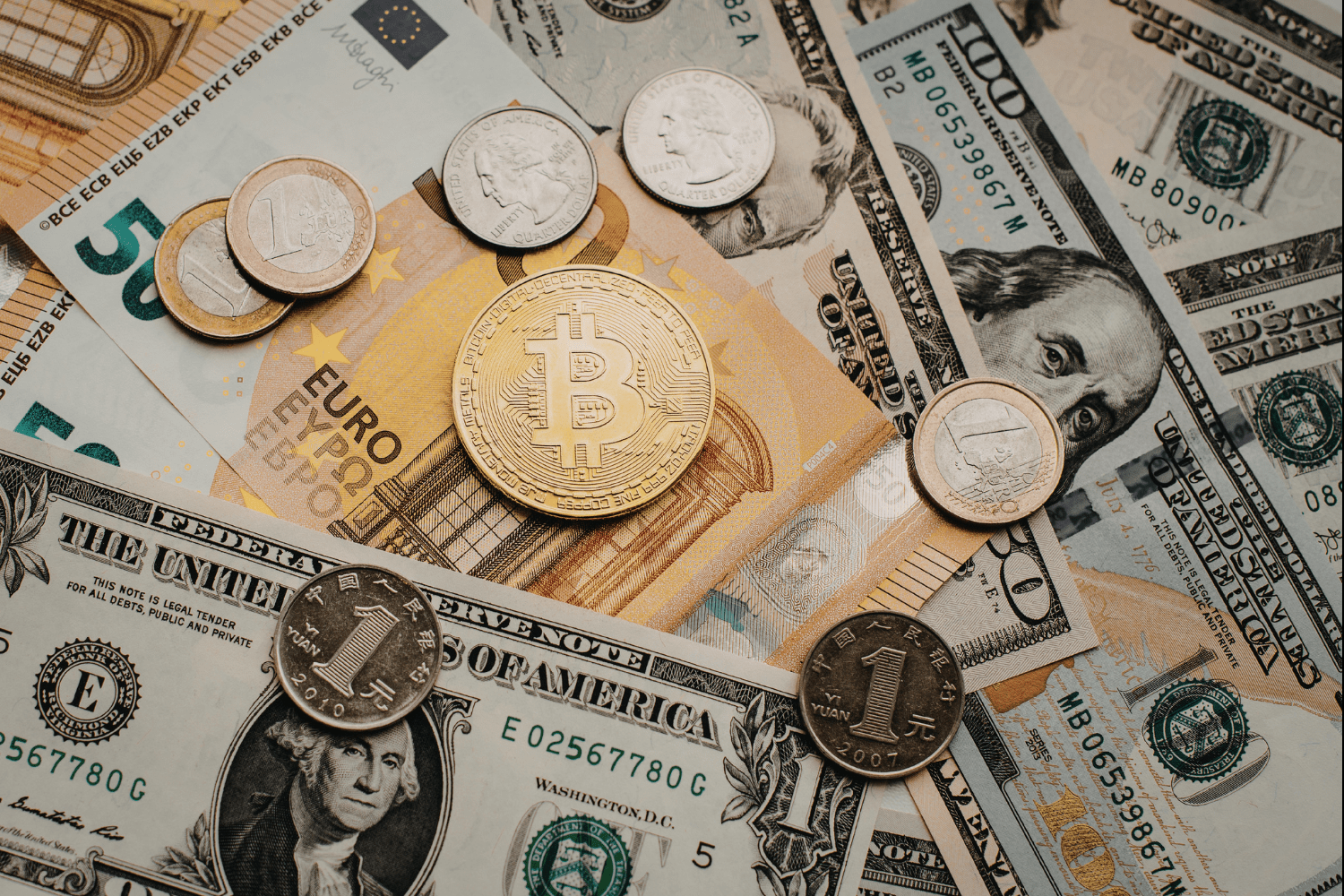
Financial innovations have long been a spur to economic growth. The ongoing rapid digitalization of finance has led to the creation of new assets and new means of settling financial transactions. Arguably the best known of these recent innovations are cryptocurrencies. However, thanks to the recently passed GENIUS Act in the US, stablecoins have also become more widely publicized and have attracted the attention of many analysts and policy makers.
What circumstances favour the introduction of financial innovations? Can they survive and thrive without government intervention? To what extent are cryptocurrencies and stablecoins a threat to the current monetary order? What are the global economic implications of these technological advances?
The proposed course would mix the historical and the practical. Specific case studies will also be used to address the questions posed above. The course would introduce cryptocurrencies and stablecoins, explain the potential costs and benefits to the financial system and the economy more generally. Although some elements of so-called fintech are technical, the course would rely on descriptions and the economic intuition behind these developments.
These recent digitally enabled financial instruments are less revolutionary than some have argued. Indeed, several myths have emerged about the consequences of cryptocurrencies and stablecoins. Instead, the digitalization of finance is only the latest example of the long history of creative destruction in monetary history. That said, while the new financial technology does promise transformative economic changes, there are also attendant risks that have the potential to become economically destabilizing if policy makers ignore the looming threats.
Skill Outcomes
By the end of this masterclass you will gain:
-
An appreciation of changes in monetary standards over time and the role of government regulation in the process;
-
An understanding of existing forces driving changes in monetary systems and the role of politics in limiting the impact of digitalization in retail financial transactions
-
An understanding of why and how the digitalization of money may impact commercial banks in Canada (and elsewhere) and the financial sector more generally
-
An introduction to the potential interaction of geopolitics and the digitalization of money
Instructor

Dr. Pierre Siklos specializes in macroeconomics with an emphasis on the study of inflation, central banks, and financial markets. He also conducts research in applied time series analysis. His research has been published in a top international journals and he has been a consultant to a variety of institutions and central banks.
His work has been widely cited in several macro and econometrics textbooks. He has also been a visiting lecturer at several universities around Europe and North America, Australia, and New Zealand. His research has been funded by domestic and international agencies. He was the Managing Editor of the North American Journal of Economics and Finance. In 1999 he was Erskine Fellow at the University of Canterbury, New Zealand. He was WLU’s University Research Professor for the academic year 2000-2001, and was the Director of the Viessmann European Research Centre (VERC) in 2005 until 2015. Between 2008 and 2022 he was on the C.D. Howe Institute’s Monetary Policy Council and remains a Fellow. In 2008-9 he was chairholder of the Bundesbank Foundation of International Monetary Economics at the Freie Universitat, Berlin. He is currently also a Visiting Professor at the University of Münster, in Germany.
In December 2008 he became a Senior Fellow at the Centre for International Governance Innovation (CIGI).
Format
Intensive, three-hour class divided into key topic components.
Themes covered in this masterclass include:
- Money and the economy: some rudimentary principles
- Role and functions of money
- Role of governments and central banks in providing currency
- The interplay of technology and monetary arrangements: myths and historical lessons
- Stablecoins, cryptocurrencies and central bank digital currencies: what are they? What roles they play in the financial system?
- Retail versus wholesale digital money: challenges and opportunities
- Global implications of the digitalization of money and currency substitution
- Central bank digital currencies and governance
- Central bank digital currencies: macro-financial implications
- Conclusions: where do we stand on the digitalization of money?
Audience
This masterclass is open to all individuals interested in the evolution of the financial sector and implications for the conduct of monetary policy and its national economic impact.
Some knowledge of basic economic and financial concepts at the level of undergraduates or gained through work or learning experience is recommended.